
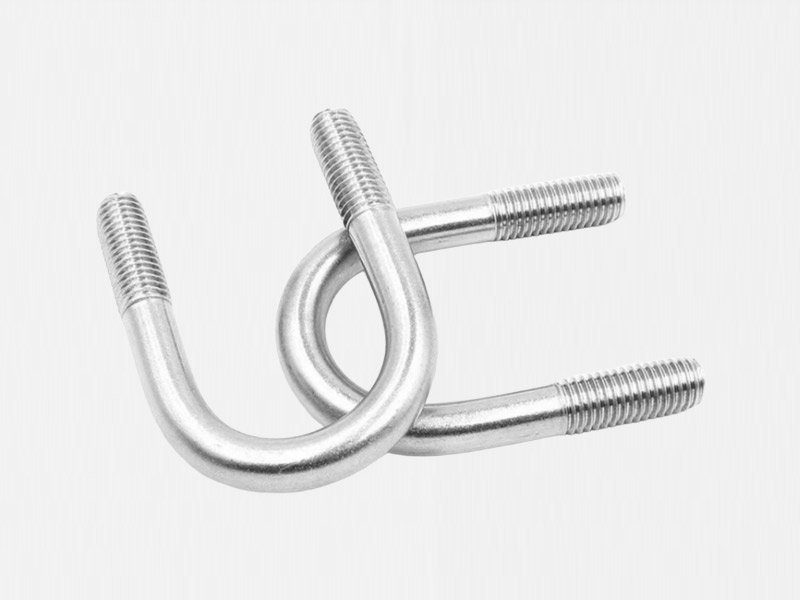

U-bolts
Material: Q195 carbon structural steel
Yield strength: ≥195 MPa (≤16 mm)
Tensile strength: 315–430 MPa
Sizes: M6, M8, M12, M16, M20 (standard stock available); lengths can be customised
Advantages: Low cost, good ductility, excellent weldability, easy to machine
Product Description
U-bolts, also commonly known as U-shaped bolts or saddle bolts, are general-purpose fasteners that are extremely widely used in the industrial and construction sectors. With their distinctive U-shaped bend and threaded ends, they can be used in conjunction with nuts and washers to secure components. Their primary function is to fix components such as pipes, profiles and equipment bases in place, preventing the connected parts from shifting, loosening or coming loose. Thanks to their simple structure, high load-bearing capacity and wide adaptability, they have become an indispensable basic component in various engineering and mechanical assembly applications.
Structure and Principle
The U-shaped wire features a standard U-shaped structure, comprising a curved base formed from a single bend, two vertical wires and a threaded top section. It is manufactured as a single, seamless piece, ensuring exceptional structural stability. Its operating principle is very simple: during use, the U-shaped opening is clipped onto the outer surface of the tubular, bar-shaped or block-shaped component to be secured. Once fitted against the mounting base, washers are fitted at both threaded ends and the nuts are tightened. Utilising the tensile force of the threaded rods and the clamping force of the curved structure, the component is securely locked in place, achieving positional fixation, vibration damping and anti-displacement effects. Furthermore, the bending radius of the U-shaped wire, the length of the threaded rod and the thread specifications can all be customised as required, enabling adaptation to workpieces of various dimensions.
Main Classification Methods
- Classification by Shape and Structure
Round U-shaped wires are suitable for curved components such as circular pipes, round steel bars and cables, and are the most commonly used standard type;
Square U-shaped wires are specifically designed for square components such as square tubes, rectangular sections and steel structural purlins; they offer a better fit and more secure fastening, and are frequently used in photovoltaic mounting systems and steel structure construction projects. - Classification by Surface Treatment
Black annealed U-shaped wires: these are not galvanised and retain the natural colour of the steel; they offer good toughness and are cost-effective, making them suitable for temporary fastening in dry, non-corrosive indoor environments;
Electro-galvanised U-shaped wire features a uniform zinc coating and a smooth finish, with moderate rust resistance and excellent value for money; it is commonly used for indoor equipment assembly and general pipework fastening;
Hot-dip galvanised U-shaped wire has a thick zinc coating with extremely strong adhesion; it is resistant to acids and alkalis, corrosion-resistant, and withstands wind, rain and exposure to the sun, making it suitable for harsh outdoor environments, including open-air, damp and highly corrosive conditions;
Polished stainless steel U-shaped wire: with a smooth, burr-free surface and no need for additional plating, it offers top-tier corrosion resistance. - Classification by Material
Carbon steel U-shaped wire,carbon steel is primarily composed of medium- and low-carbon steel and alloy steel; it offers high hardness and strong tensile strength, providing excellent value for money and meeting the requirements of the vast majority of standard engineering applications;
Stainless steel U-shaped wire,stainless steel is commonly available in grades 304, 316 and 316L; it offers high toughness, fatigue resistance, corrosion resistance and is rust-free, and is frequently used in specialised applications such as marine vessels, chemical equipment and coastal engineering projects.
Product Advantages
- Sturdy structure and high load-bearing capacity:The one-piece moulding process eliminates the risk of fracture and offers excellent shear and pull-out resistance. It can withstand both static and dynamic loads, is resistant to deformation and loosening even after long-term use, and is suitable for load-bearing fastening applications.
- Exceptional Versatility:Available in a wide range of specifications and dimensions, it is suitable for various shaped components, including circular and square profiles. It can be custom-machined to suit workpiece dimensions and installation scenarios, offering far greater versatility than standard fasteners.
- Quick and Efficient Installation:No complex installation procedures, drilling or welding are required. It can be quickly locked and secured simply by using a nut and washer, significantly reducing installation time and labour costs.
- Excellent weather resistance: Optimised through galvanisation and the use of stainless steel, these products can withstand dampness, wind and rain, and acid and alkali corrosion, with a service life ranging from several years to several decades in outdoor and harsh environments.
- Outstanding value for money: Featuring a simple structure and low production costs, they strike a balance between performance and price, whilst being easy to maintain and requiring no frequent servicing or replacement.
Key Application Scenarios
U-shaped wire is used across a wide range of sectors, including construction, industry, new energy and transport, and serves as a core fastening component in numerous scenarios. Typical applications are as follows:

New energy sector
Widely used for securing crossbeams and columns in photovoltaic mounting systems and wind turbine support structures; suitable for outdoor installations, offering high wind and seismic resistance and excellent stability.
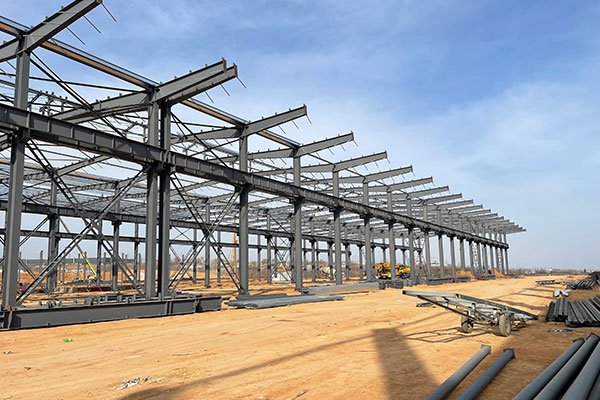
Steel structure construction
Used for the anchoring and fixing of steel roof purlins, wall profiles and bridge bearings, as well as for the secure installation of pre-embedded building services, fire protection pipes, and water supply and drainage pipes.
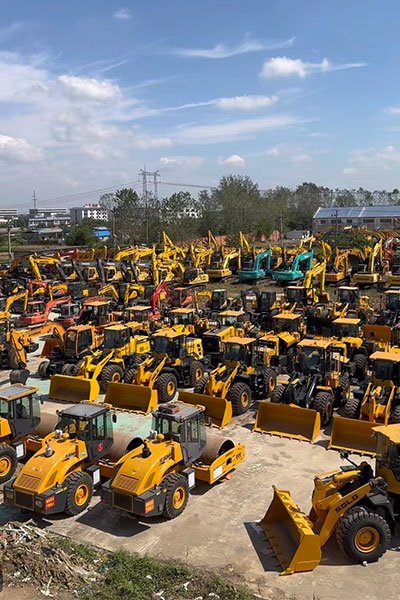
Mechanical and transport sectors
Used to secure machinery bases, drive shafts and pipe bundles, as well as for fixing leaf springs on heavy goods vehicles and semi-trailers, ground anchoring for power transmission lines, and connecting traffic infrastructure components.
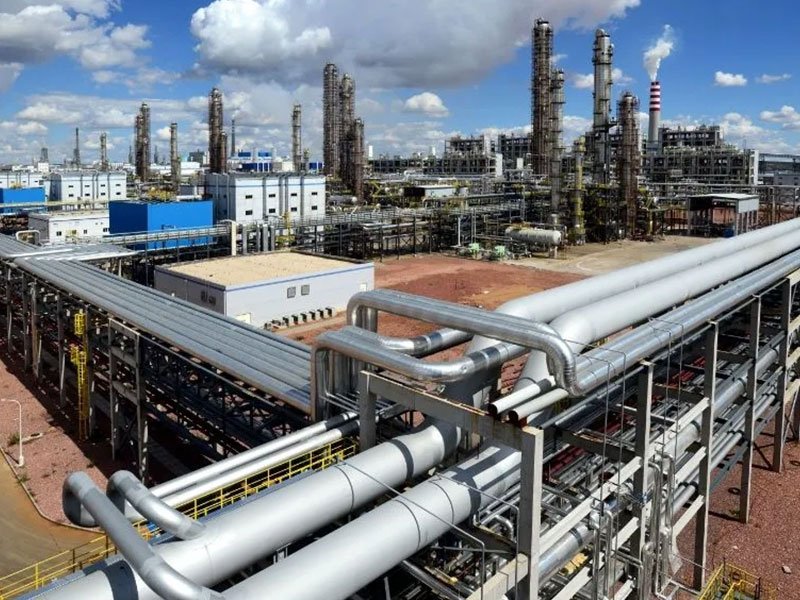
Special operating conditions
316 stainless steel U-bolts are frequently used in marine and yacht fittings, offshore engineering equipment and chemical pipeline fastenings, and are resistant to corrosion from seawater and chemical media.
Installation and Selection
Installation Precautions
Before installation, remove any contaminants from the workpiece surface to ensure a tight fit; tighten the nuts symmetrically and evenly to prevent one-sided stress, which could cause the lead screw to deform or the fastening to become loose; for outdoor or high-vibration applications, use anti-slip washers and lock nuts to enhance fastening stability.
Selection Tips
Prioritise selection based on the operating environment: for dry indoor settings, standard black or electro-galvanised U-type lead screws are suitable; for outdoor or damp environments, hot-dip galvanised models are preferable; and for corrosive or marine environments, stainless steel must be used. Additionally, verify the lead screw diameter, slot width and thread specifications to ensure a precise fit with the workpiece and prevent installation failure due to specification mismatches.
Although U-bolts appear to have a simple design, they are crucial fasteners in industrial infrastructure. Thanks to their core advantages—including structural stability, wide compatibility, ease of installation, weather resistance, durability and excellent value for money—they are used across numerous sectors, including construction, new energy development, mechanical manufacturing and transport engineering. With the continued development of downstream industries, demand for high-performance, corrosion-resistant and customised U-bolts continues to rise, making them an indispensable core component in modern industrial assembly systems.