

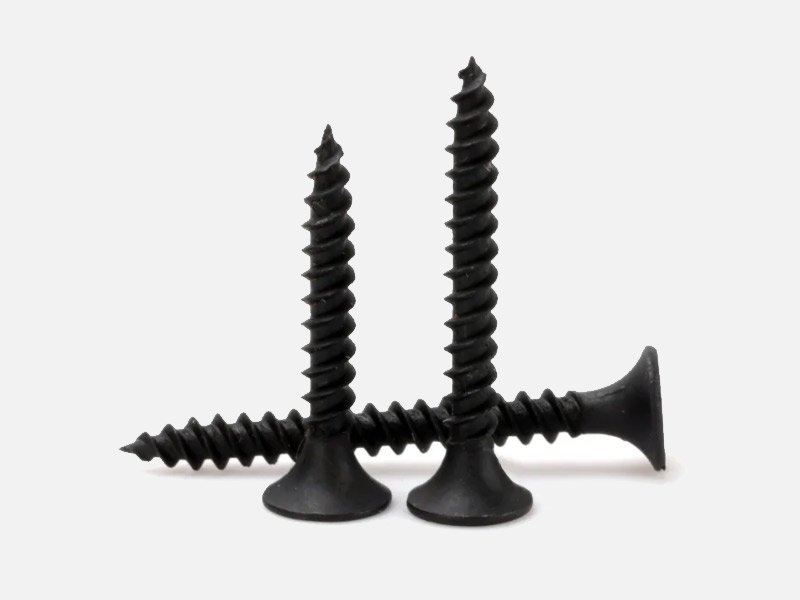
Drywall screws
Material : High-quality carbon steel
Surface Treatment : Phosphate gray, black anodizing (optional)
Specifications : M3.5 (length 16mm-100mm, standard stock)
Suitable Scenarios : Light steel keel, gypsum board, timber, wall panel splicing.
Product Details
Drywall screws are self-tapping screws designed specifically for interior finishing work. They feature a countersunk, flared head, which, once tightened, sinks into the plasterboard so that it does not protrude, making it easy to cover with skim coat and emulsion paint at a later stage.
Differences from standard drywall screws
|
Comparison |
Phosphated drywall screws |
Blue-and-white galvanised drywall screws |
|
Appearance |
Matt black / grey |
Silvery-white metallic sheen |
|
Lubricity |
Excellent (self-lubricating, quick penetration) |
Good |
|
Rust resistance |
Sufficient for indoor environments; salt spray resistance 12–100 hours |
Slightly better, with longer salt spray resistance |
|
Coating Adhesion |
Excellent (bonds tightly with plaster/paint) |
Good |
|
Price |
More economical; preferred for large-scale construction projects |
Slightly higher |
|
Applications |
Suitable for both dry and damp indoor areas |
Applications requiring higher rust resistance |
The advantages of drywall screws
- Countersunk design ensures a flush surface after installation, eliminating the need for rework during subsequent finishing work;
- The wire maintains consistent hardness, preventing the tips from chipping or slipping when driven into light steel studs, and ensuring that the fastened wooden boards remain secure without loosening or falling out;
- The galvanised coating resists rust, preventing yellowish rust spots from appearing at nail points on walls;
- Standard lengths of 25/30/35/40 mm are available in full range from stock, with bulk supply for both domestic and commercial projects, offering significant advantages in terms of factory-direct pricing.
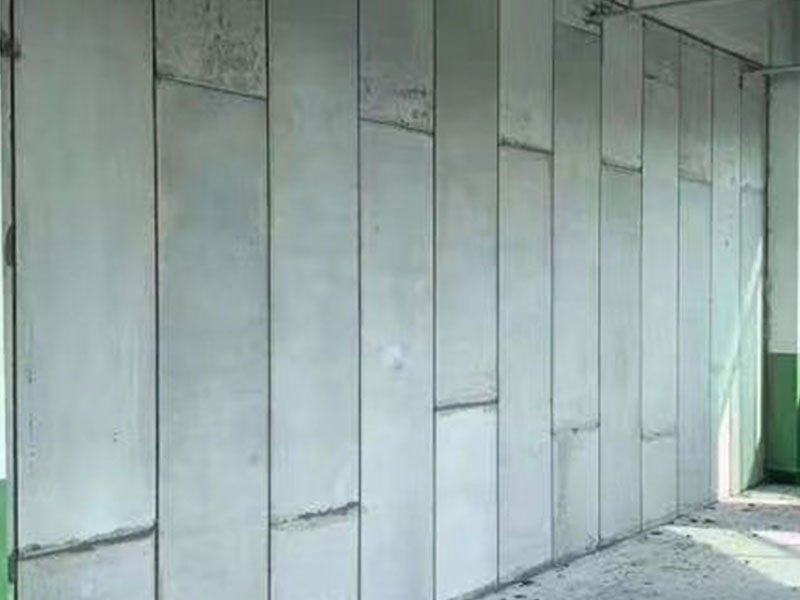
Main Applications


Tips for selecting the right product
Use coarse-threaded nails for timber studs, as they provide a strong grip and are less likely to come loose;
Use fine-threaded nails for light-gauge steel studs to prevent slipping and nail breakage;
In damp areas, choose high-quality phosphated nails (salt spray resistance ≥ 48 hours) or use them in combination with anti-rust filler.