

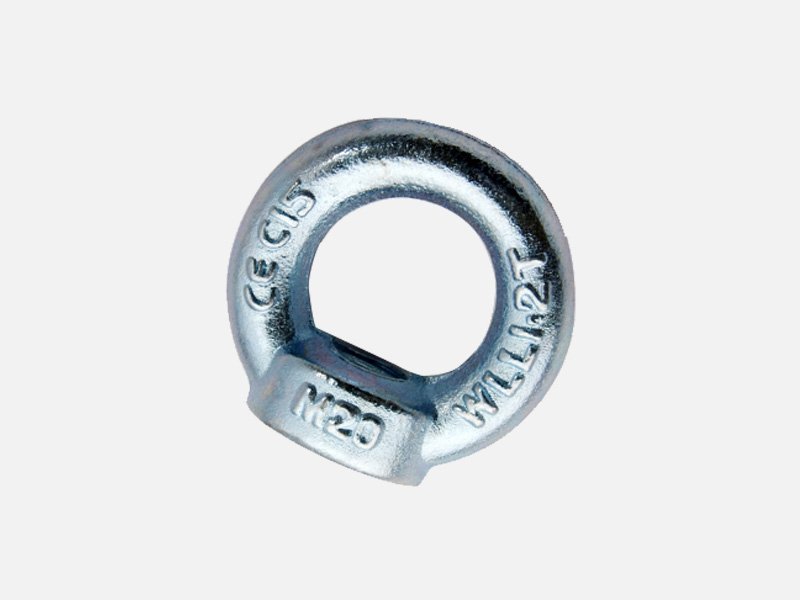
Lifting nut
Material: carbon steel, stainless steel
Common sizes: M6 to M24; the size number corresponds to the stud diameter
Manufacturing process: solid forging + normalising treatment
Core structure: one-piece forged ring + internally threaded base, with no exposed threaded shank
Product Details
An eye bolt is an industrial fastener used for lifting and hoisting operations. It is typically made from high-strength alloy steel and features a rotating mechanism that allows it to turn freely during lifting, thereby reducing twisting and wear on wire ropes or slings. The primary function of an eye bolt is to be secured to equipment or structures via a threaded connection, providing a reliable lifting point for hoisting heavy loads.
A lifting nut works by engaging with a bolt or stud via its internal threads to form a secure connection. During the lifting process, the lifting nut’s rotational function helps to prevent the torque generated by the rotation of the load, thereby protecting both the lifting equipment and the load itself. The design of a lifting nut typically includes a ring-shaped section for attaching a hook or sling, and a threaded section for securing it to the equipment.
Application scenarios
Lifting eyes are used in a wide range of applications, including mechanical engineering, construction sites, ship repair and the installation of electrical equipment. In mechanical engineering, lifting eyes are commonly used for the assembly and dismantling of large-scale equipment; on construction sites, they are used to hoist steel structures or concrete components; in ship repair, lifting eyes are used to lift engines or other heavy components; and in the installation of electrical equipment, they are used to hoist transformers or cables.
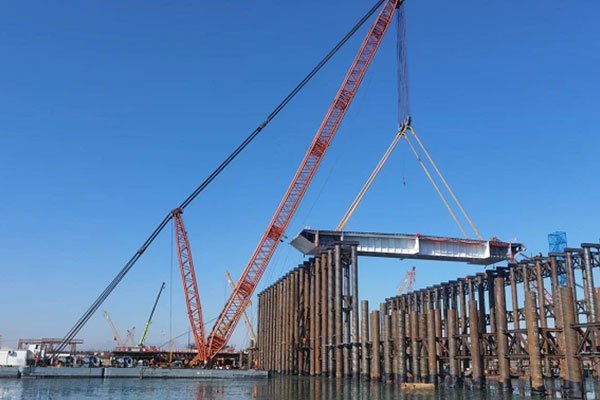
Equipment Lifting
Lifting eyes are fitted to the stud holes on moulds, motors, housings and pump bodies, and used in conjunction with shackles attached to slings or wire ropes for lifting;
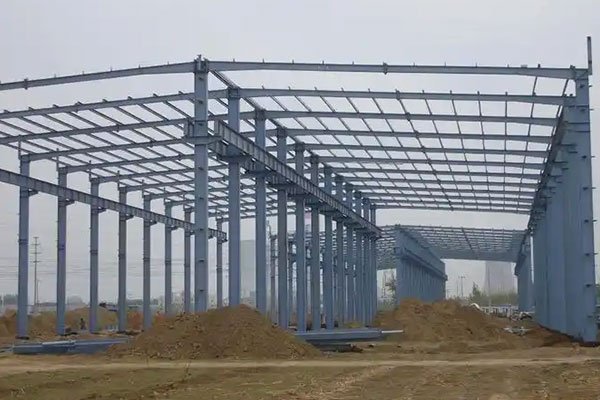
Structural Bracing
Used in conjunction with basket bolts and wire rope clamps to provide temporary bracing for steel structures and to secure perimeter guy wires;
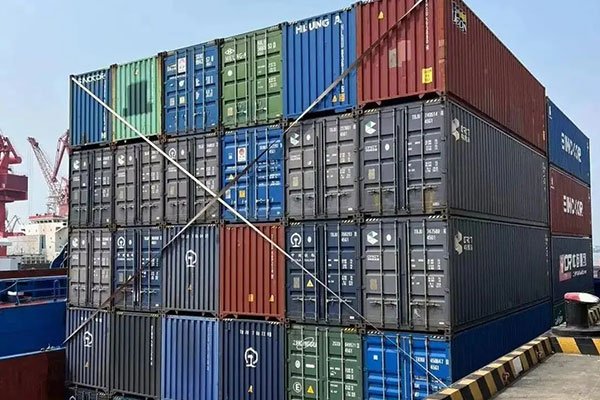
Light-duty Towing and Securing
For securing freight, stage set-up and anchoring outdoor facilities, offering flexible assembly and disassembly;
Installation Guidelines
- Tighten fully until the base is flush with the workpiece surface; the thread insertion depth must be ≥1 times the thread diameter; do not screw in whilst the ring is suspended;
- Ensure the mounting surface is level; a shim may be added to ensure a secure fit; do not use excessive force with a spanner to tighten the ring (as this may cause deformation or cracking);
- When using multiple lifting eyes in pairs, ensure the angle between the load-bearing surfaces of the eyes is within ±5° to guarantee even load distribution.
Contraindications for Use
Must not be used for lifting personnel or in personal protection systems; the standard operating temperature range is –20 °C to 200 °C; for temperatures outside this range, a specialised high-temperature-resistant model must be used;
Do not stack multiple slings on top of one another, as this may compress the ring; the lifting attachment must be secured to the centre of the ring, avoiding the corner at the base of the ring;
Poor-quality cast versions must not be used for heavy-load lifting; small sizes (M6 and below) are only suitable for securing light loads and must not be used for lifting large items.