Is Standard For Hexagonal Bolts?
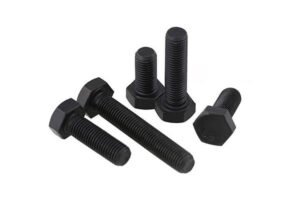
Hexagon bolts are fasteners that are extremely widely used in mechanical manufacturing, construction and equipment installation; their production and processing are not carried out arbitrarily, but adhere to strict, uniform national standards (GB). Standardisation is not only key to ensuring the compatibility, reliability and safety of bolts, but also a vital cornerstone of standardised industrial production. Currently, the domestic standardisation system for hexagon bolts is becoming increasingly comprehensive, covering all common categories such as standard, fully threaded and high-strength types.
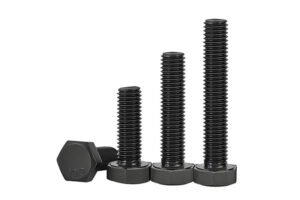
General Standards: The latest national standards currently in force are GB/T 5782-2025 and GB/T 5783-2025. Both are recommended national standards, replacing previous versions and fully meeting the requirements of modern industrial manufacturing. Specifically, GB/T 5782-2025 addresses partially threaded hexagon head bolts, specifying the dimensional specifications, technical parameters and marking requirements for Grade A and Grade B products; GB/T 5783-2025, on the other hand, focuses on fully threaded hexagon head bolts, which are suitable for applications requiring full-length threaded fastening. These two standards essentially cover the majority of hexagon bolts used in conventional civil and general industrial sectors.
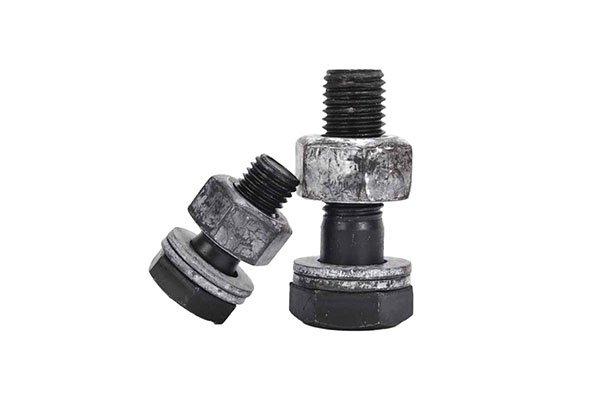
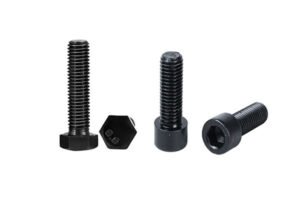
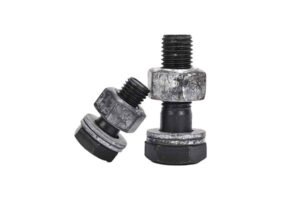
Specialised standards: In addition to general specifications, there are dedicated standards for specific applications. For example, high-strength large hexagon bolts designed specifically for steel structures must comply with corresponding specialised national standards, which are applicable to heavy-duty load-bearing structures such as bridges and factory steel frames; special types, such as hexagon bolts with holes and fine-threaded hexagon bolts, are also defined by separate national standards specifying their dimensions and performance parameters. Furthermore, national standards provide a clear classification of product grades and performance grades: Grade A offers the highest precision and is used in precision equipment; Grade B is suitable for conventional machinery; whilst performance grades, such as Grade 8.8 and Grade 10.9, clearly specify the bolts’ load-bearing and compressive strength capabilities.
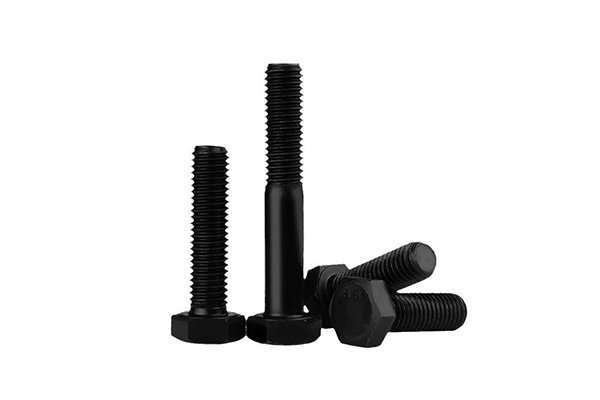
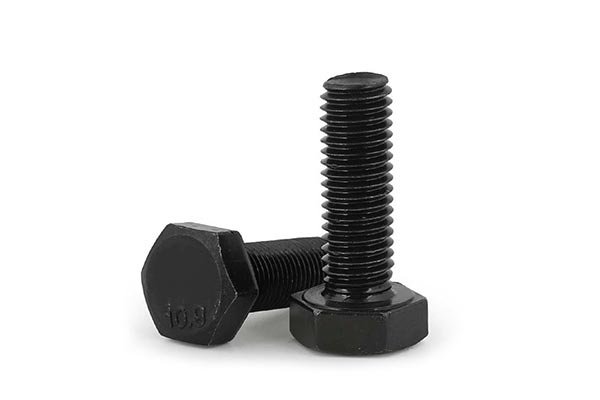
The significance of standardisation: uniform dimensions, tolerances, material and strength standards ensure that bolts and nuts produced by different manufacturers are interchangeable, significantly reducing procurement and replacement costs. In engineering practice, the selection of compliant standard bolts effectively prevents risks such as loosening and fracture, ensuring the stable operation of equipment and the safety of building structures, whilst eliminating safety hazards caused by non-standard products at source.
In summary, hexagon bolts are governed by a comprehensive and detailed system of national standards. Whether for general-purpose models or those designed for specific operating conditions, there are clear specifications to follow. This not only provides crucial support for the standardisation and industrialisation of the hardware and fastener industry, but also serves as a fundamental guarantee of quality for various engineering and mechanical assembly projects.