Advantages and Disadvantages of Hexagon Head Bolts and Socket Head Cap Screws
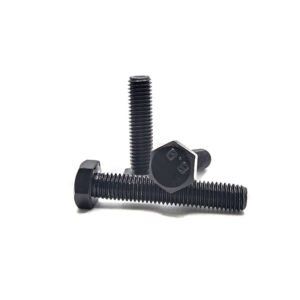
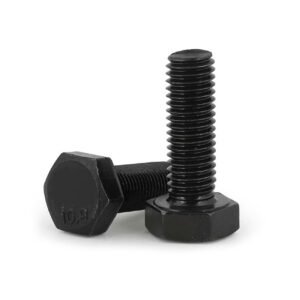
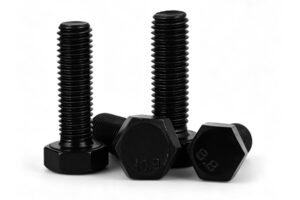
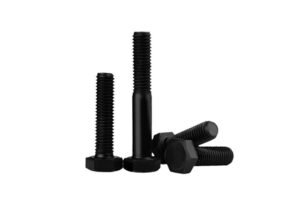
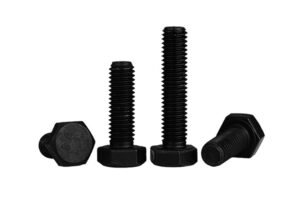
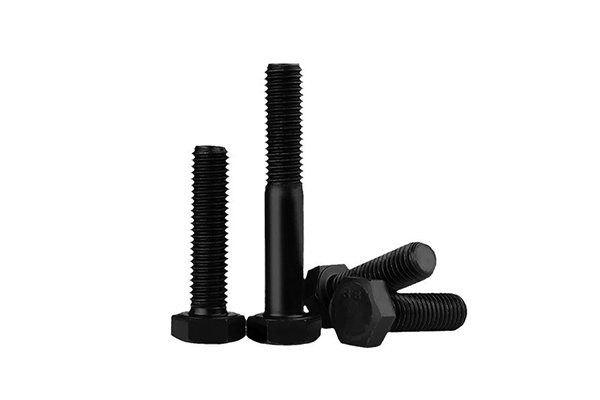
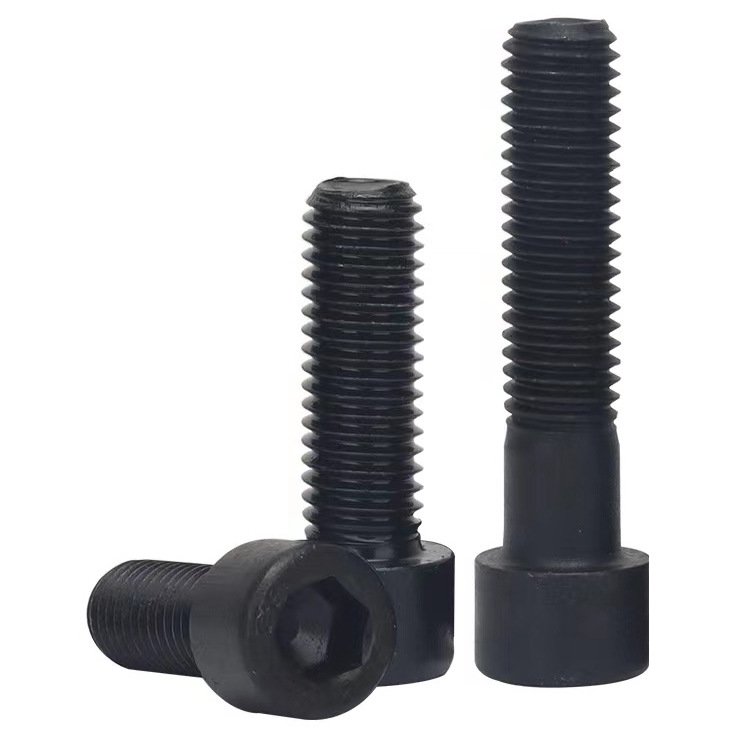
Hexagon head bolts and socket head cap screws are the two most widely used types of threaded fasteners in mechanical manufacturing, steel structure engineering, household appliances and tooling fixtures. The key difference between the two lies in the structure of the bolt head: the head of a hexagon head bolt is an external hexagonal cylinder, which is tightened by gripping the outer surface with a spanner; the head of an internal hexagon bolt features a recessed hexagonal socket, which is tightened by inserting an internal hexagon wrench into the socket. These differences in head design directly determine the relative advantages and disadvantages of the two types in terms of load-bearing capacity, installation space, operating costs and durability.
hexagon head bolts
Advantages
Disadvantages
socket head cap screws
Advantages
Disadvantages
Quick Selection Guide
Select hexagon head bolts
These are the preferred choice for applications where there is ample space, high tightening torque is required, specialised tools are not available outdoors, bulk procurement is required for large-scale projects, or heavy-duty steel structures are being joined, as they offer a balance of strength and cost-effectiveness.
Select socket head cap screws
These are the preferred choice for applications where installation space is limited, workpieces require a flat surface, there is movement interference between components, or precision moulds and automated equipment are being assembled, as they offer a balance of space efficiency and surface finish.
There is no absolute superiority or inferiority between the two types of bolts; the difference lies solely in their suitability for different applications: hexagon head bolts are characterised by high strength, low cost and ease of maintenance, sacrificing surface flatness in exchange for connection reliability; socket head cap screws are characterised by space-saving design, countersinkability and suitability for compact structures, sacrificing torque capacity and cost in exchange for spatial adaptability. In practical assembly, the appropriate type should be selected based on the installation space, load size, maintenance requirements and aesthetic considerations.