What Is The Difference Between A Bolt And A Screw?
In everyday fastening applications, bolts and screws are often confused; many people mistakenly believe they are the same component, merely referred to by different names. In reality, they are two types of fasteners with entirely different structures and purposes. The key differences lie in their connection methods, structural design and applications. Understanding these distinctions helps us select the correct fastener and avoid safety hazards such as loosening or failure caused by incorrect use.
Structural Design and Fastening Methods
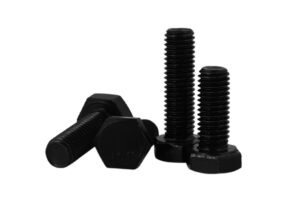
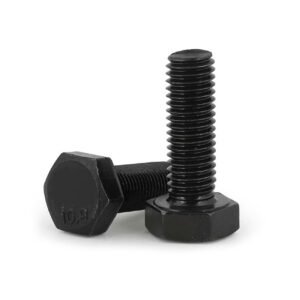
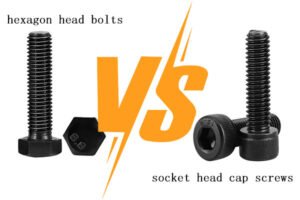
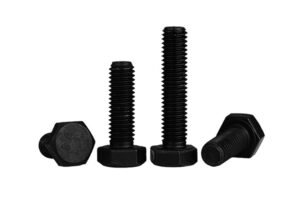
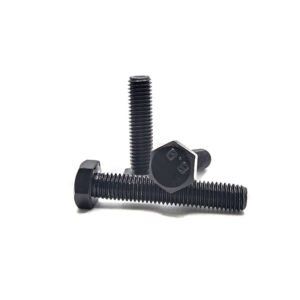
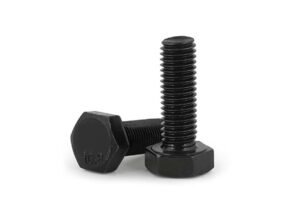
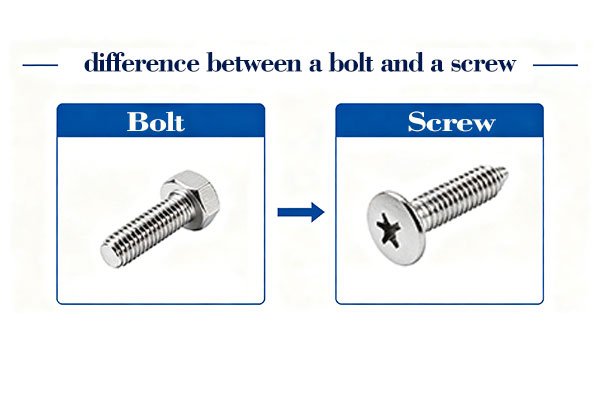
- Bolts are characterised by having a full external thread, with heads typically shaped as hexagons or squares. They do not possess ‘self-tapping’ capabilities and must be used in conjunction with a nut to achieve a secure fastening. To use a bolt, it is passed through a through-hole in the component to be joined, and a nut is then screwed onto the other end. The threads of the nut and bolt engage with one another, clamping the components together to secure them. This method constitutes a ‘detachable connection’, allowing for easy disassembly and reuse at a later date.
- Screws, however, differ. Their head styles are more varied, with common types including cross-head, slotted and hexagon socket. Although they also feature external threads, these threads fall into two categories: one is standard thread, which requires a pre-drilled threaded hole; the other is a self-tapping thread, which has coarser threads and a larger pitch, allowing it to be screwed directly into softer substrates such as wood or plastic without the need for a nut. Screws are secured by ‘direct screwing’—either into a pre-drilled threaded hole or by self-tapping a hole. In some cases, they can be removed; in others, the threads may become too tightly interlocked to allow for reuse.
Load-bearing Characteristics and Applications
- Bolts generate clamping force through the preload of the nut, providing uniform and stable load distribution. They can withstand significant tensile and shear forces, and are therefore commonly used in applications involving heavy loads and frequent disassembly, such as mechanical equipment, steel structures in construction, and vehicle chassis. Bolts are also used for engine mounting and bridge connections.
- The load-bearing capacity of screws relies primarily on the engagement of the thread with the base material; their clamping force is relatively weaker, making them more suitable for applications with lower load requirements and where frequent disassembly is not necessary. For example, the cross-slotted screws used to secure wooden panels in furniture assembly are mostly self-tapping screws; standard screws are commonly used for securing electrical appliance casings and installing wall brackets; whilst small-scale fastening within precision instruments often employs hex socket screws, which combine secure fastening with aesthetic appeal.
To put it simply, ‘bolts are used with nuts, whilst screws are screwed directly into surfaces’.
Although both are fasteners, they differ in structure and application. Distinguishing between them and selecting the correct one not only ensures a secure connection but also extends the service life of the components; this is an essential piece of knowledge in both industrial manufacturing and everyday use.